
What Moving to Ireland as a GP with Your Family Looks Like
Many international doctors exploring working as a GP in Ireland are drawn to its strong primary care system and the central role GPs play in patient care. Ireland’s healthcare model is built around community-based practice, where continuity and long-term relationships with patients are a core part of the job, something that has been consistently highlighted in research on how primary care is structured in Ireland.
But for most GPs, the decision to relocate isn’t driven by the role alone. Family life, schooling, childcare, community, and long-term stability all play an equally important role.
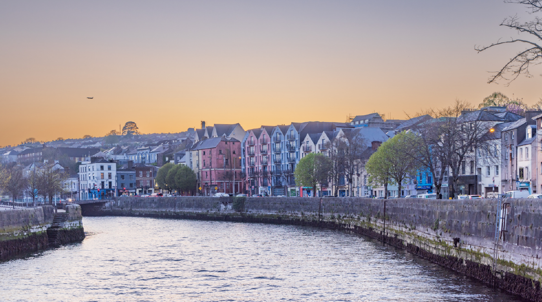
What Doctors Typically Consider Before Relocating With Family
Relocating internationally is a major decision, and doctors commonly look for clarity in a few key areas.
Most families want to understand what the education system looks like, how early they need to plan ahead, and what availability is like in the areas they’re considering.
Ireland offers a mix of public, private, religious, and non‑religious schools, and while quality is generally strong, availability can vary depending on the location. Childcare, especially full‑time options, can be competitive in urban areas, so early research is beneficial.
Many GPs relocate with a working partner who wants to continue or restart their career in Ireland. Understanding local job markets, routes to work permits (if needed), and whether the family plans to settle in a city or a smaller town, all factor into this decision.
Doctors often think carefully about where they want to base themselves- balancing commute times, family lifestyle, and access to amenities. Rural areas can offer space, affordability, and strong community networks, while urban areas provide variety, cultural activities, and quicker access to larger schools and workplaces.
Relocating families usually want to know what the long‑term picture looks like: opportunities for permanent residency, career progression, and a sense of security for their children. Ireland tends to offer a stable and predictable environment for families looking to put down roots.
Work-Life Balance in Irish General Practice
GPs in Ireland typically work within a defined daytime schedule, often within a small or mid‑sized practice. There is usually a mix of booked appointments, repeat prescription reviews, and occasional walk‑ins or same‑day needs. Home visits still exist but are less common than they once were.
Your level of flexibility will depend on whether you’re working as a GP contractor, a salaried GP, or a locum. Many international doctors find that Irish general practice offers predictable hours compared to some healthcare systems, helping create more separation between work and home life.
Ireland’s primary care system is community‑driven and relationship‑based. GPs typically build long‑term connections with families, and continuity of care is a key feature.
This can make the work feel meaningful, but it also brings responsibility to manage your patient list proactively. Compared to some countries, administrative workloads may feel lighter, though this can differ from practice to practice.
Overall, most GPs who relocate find the structure conducive to a balanced lifestyle, but not universally “easier” or “harder” than elsewhere. It’s simply different.
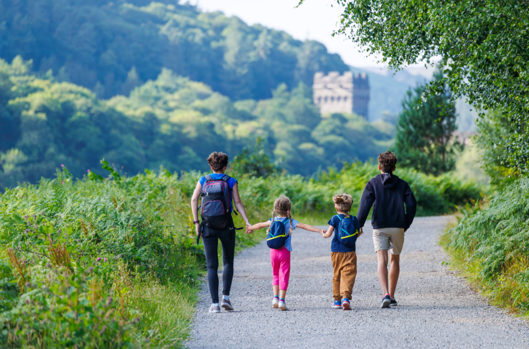
What Day-to-Day Family Life Can Look Like
Ireland offers a lifestyle that many relocating families find warm, steady, and community‑based. Whether in a village, town, or suburban area, community life is a defining part of living in Ireland. Schools, sports clubs, and local events often act as natural hubs for families. Many GPs, especially those in smaller practices, become part of the community quickly.
Ireland generally offers a slower, more predictable pace of life than larger cities or more pressurised healthcare systems. Weekends are typically family‑oriented, with children’s sports, walks, and local outings forming a large part of routine life. Urban centres offer a faster pace, but even Dublin maintains a strong neighbourhood feel in many areas.
Urban life in Ireland, whether in Dublin, Cork, or Galway, offers access to vibrant cultural activities, diverse international communities, and a broader range of schooling and childcare options, though it does come with higher living costs.
In contrast, rural and regional areas provide a different kind of appeal: more space, shorter commutes, a strong sense of community, and an often exceptionally family‑friendly environment.
Both can work well for GP families, but they offer different lifestyles- so the decision often comes down to personal preference.
Schools, Childcare and Settling In
Understanding how your family will integrate is often the most reassuring part of the relocation process.
These are the Schooling Options that Ireland offers:
-
public (state-funded) primary and secondary schools
-
private education, though it’s less common than in many countries
-
religious and non‑denominational options
-
A growing number of multi‑denominational or secular schools
Most families find a suitable option within reach of their chosen location.
Ireland also offers structured childcare supports, including government-backed schemes such as the Early Childhood Care and Education (ECCE) programme, which provides free pre-school for eligible children, and can make the transition easier for families relocating to Ireland.
Childcare is available through:
-
creches (full‑day care)
-
childminders
-
after‑school programmes
Availability does vary. Urban areas often require early waiting‑list registration, while smaller towns may have more flexibility.
Irish communities are generally welcoming, particularly toward healthcare professionals. Children often settle quickly through school and local clubs, while parents find social connections through work, sports, and community activities.

The Relocation Process at a High Level
While every move is unique, most GPs follow a similar broad pathway.
Initial Planning usually includes confirming eligibility to work, researching preferred locations, and discussing priorities as a family. Many doctors begin this stage months before actively applying for roles.
Common steps for relocation include:
-
securing professional registration
-
arranging visas or work permits (if required)
-
coordinating the move of personal belongings
-
organising temporary or long‑term accommodation
-
planning schooling or childcare needs
This process can feel easier when broken into stages rather than tackled all at once.
Once you arrive, settling into your practice and community tends to be a gradual and personal process. Most GPs find that colleagues and residents play a big part in helping them integrate.
Support During the Transition
Most doctors relocating to Ireland receive structured support throughout the process- from registration guidance to local orientation.
Locumotion supports GPs with practical steps, relocation logistics, and settling‑in considerations. This support typically focuses on making the transition smoother rather than influencing personal or family decisions.
It’s not about selling Ireland, but ensuring you have reliable information at every stage.
Relocating to Ireland as a GP with your family is a significant decision, but one that many doctors find rewarding. The combination of community‑focused living, balanced working patterns, and strong family‑oriented environments helps create a stable, fulfilling lifestyle.
If you’re beginning to consider working as a GP in Ireland, exploring your priorities early can help you understand whether the move is right for you. You can also speak with our team to get a clearer view of what relocation could look like in your situation.